
A regenerative medicine guide from SC301 Clinic, Seoul
There is a very particular moment patients describe after their first stem-cell laser treatment — a sense of seeing their bare skin in the mirror and thinking, “This feels like me… but renewed.”
It’s a quiet kind of confidence, different from the sharp, instantly dramatic results of older cosmetic technologies. Stem-cell-supported lasers work more subtly. They stimulate biological healing instead of forcing the skin into trauma-driven turnover. And because this form of treatment activates your skin’s own regenerative potential, what you do in the days and weeks afterward deeply affects your final results.

At SC301 Clinic in Gangnam, where regenerative procedures like stem cell breast augmentation, facial fat grafting, and anti-aging cell therapies have been performed for nearly two decades, we often remind patients of one simple truth:

“The treatment is only half the transformation. The healing is the other half.”
This article will walk you through why post-care matters so much, what to expect, and how to support your skin so the benefits of stem cell laser therapy last as long and look as natural as possible.

What Makes Post-Treatment Care Different for Stem Cell Laser Patients?

what-makes-post-treatment-care-different-for-stem-cell-laser-patients

Most people are familiar with traditional laser aftercare: soothing creams, strict sun avoidance, and minimal active skincare. But stem cell–supported laser therapy behaves differently because the goal isn’t merely to resurface — it’s to regenerate.

Think of stem cells as architects of renewal, quietly organizing collagen repair beneath the surface.
When the laser creates micro-injuries that stimulate the skin, stem cells help orchestrate a more controlled, biologically efficient healing response. This means:
  • Less inflammation compared to traditional ablative lasers
  • More stable collagen remodeling over weeks to months
  • Longer-lasting improvements in texture, elasticity, and tone

But it also means that the healing environment matters enormously. Just as a seed needs the right soil, stem-cell-activated skin needs moisture, oxygenation, and protection to reach its full potential.

At SC301 Clinic, we often tell patients:

“Stem-cell treatments give you younger healing — but it’s your habits that help those results stay.”

What to Expect in the First 72 Hours

what-to-expect-in-the-first-72-hours

Every person heals differently, but the first three days tend to follow a consistent rhythm.

Mild Warmth and Redness

mild-warmth-and-redness

The sensation feels similar to a light sunburn. This is normal — it’s the skin’s inflammatory window, where fibroblasts begin wound repair.

Tightness and Dryness

tightness-and-dryness

Even though stem cell support reduces downtime, the natural shedding process still occurs. The skin may feel dry or slightly textured.

A Subtle Glow Underneath

a-subtle-glow-underneath

Many patients notice a “glass skin” brightness emerging even before the skin is fully recovered. That’s early regeneration at work.

During this period, your primary goals are moisture, calm, and protection.

Your Essential Post-Stem-Cell Laser Care Routine

your-essential-post-stem-cell-laser-care-routine

Below is the exact type of aftercare philosophy SC301 Clinic uses with its regenerative skin patients. You can adapt it to your own routine or share it with your aesthetic provider for personalized refinement.


1. Keep the Skin Moist, Calm, and Cool

1.-keep-the-skin-moist-calm-and-cool

Immediately after treatment, a gentle cooling mask or cold compress can help relieve warmth — but avoid ice directly on the skin.

Use a regenerative-focused moisturizer

use-a-regenerative-focused-moisturizer

Look for formulas with:

  • Ceramides

  • Centella asiatica

  • Low-molecular hyaluronic acid

  • Growth-factor or peptide complexes

What many patients don’t realize is that hydration isn’t just about comfort — it is physiologically essential.
Moisture supports proper cell migration across the healing surface, helping the stem-cell-induced repair process unfold smoothly.

2. Avoid Sunlight Like It’s Medicine

2.-avoid-sunlight-like-it's-medicine

Sun exposure is the #1 sabotaging factor after any laser procedure — but especially after a regenerative one.

Stem cell activity increases cellular turnover and collagen remodeling. UV light can disrupt both, leading to:

  • Hyperpigmentation

  • Uneven healing

  • Reduced collagen quality

For at least 2 weeks:

for-at-least-2-weeks:
  • Avoid direct sun

  • Use SPF 50+ every day

  • Reapply sunscreen every 2–3 hours if outdoors

  • Wear a hat when possible

Patients often ask, “Can I go outside just for a moment?”
The honest answer: Not without protection.
Stem-cell-stimulated skin is particularly photoreactive while healing.

3. Use Only Gentle Cleansing for 3–5 Days

3.-use-only-gentle-cleansing-for-3-5-days
Choose a pH-balanced, fragrance-free cleanser.
Avoid:
  • Exfoliants (AHAs, BHAs, PHAs)

  • Foaming cleansers with harsh surfactants

  • Clarifying or anti-acne washes

The skin barrier is recalibrating — let it heal without disruption.


4. Pause Active Ingredients Temporarily

4.-pause-active-ingredients-temporarily

Even if you normally use retinol, vitamin C, or acids, give your skin time to stabilize.

Avoid for 7–14 days:

avoid-for-7-14-days:
  • Retinoids

  • Vitamin C serums (ascorbic acid formulations)

  • Alpha and beta hydroxy acids

  • Benzoyl peroxide

  • Niacinamide if you are easily irritated

This pause isn’t about restriction — it’s about creating the ideal regenerative environment.
When stem cells are active, even mild irritants can interfere with the collagen-building process.

5. Support Regeneration From the Inside

5.-support-regeneration-from-the-inside

A regenerative treatment is more than a skin intervention — it is a biological event. What you eat and how you rest affects the healing matrix.

Increase:

increase:
  • Water intake

  • Omega-3-rich foods (salmon, walnuts, flaxseed)

  • Vitamin-rich vegetables and fruits

  • Protein (critical for collagen synthesis)

Reduce or avoid:

reduce-or-avoid:
  • Alcohol

  • Smoking

  • High-sodium foods

  • Excess caffeine

One thing many patients don’t expect is how much clearer, brighter, and more elastic their results look when internal recovery is supported.

6. Don’t Pick, Rub, or Speed Up Peeling

6.-don't-pick-rub-or-speed-up-peeling

The gentle micro-peeling that occurs after stem cell laser treatment is normal. But attempting to accelerate it — scrubbing, rubbing, or exfoliating — undermines the controlled healing process.

Let the old cells shed when they’re ready.
Stem-cell-supported resurfacing works from the inside out, so the final results rely on natural shedding rather than forced removal.

7. Resume Normal Skincare Gradually

7.-resume-normal-skincare-gradually

Once the skin is no longer red, dry, or sensitive, you can slowly reintroduce actives.

General guideline from our doctors at SC301:
  • Day 7–10: Add back a gentle vitamin C derivative (not pure ascorbic acid yet).
  • Day 10–14: Resume niacinamide or mild exfoliating toners.
  • After 2–3 weeks: Reintroduce retinoids if desired.

But take your cues from your skin — not the calendar.

Stem-cell-enhanced healing often means the skin responds faster but can also be more sensitive to overuse of actives early on.


How SC301 Clinic Optimizes Post-Laser Healing

how-sc301-clinic-optimizes-post-laser-healing

At SC301 Clinic, regenerative post-care is a built-in part of the treatment — not an afterthought. Patients often ask why we use such a detailed protocol even for non-surgical procedures. The answer is simple:

Because regenerative medicine works best when science continues beyond the procedure room.

Our signature post-care elements include:

our-signature-post-care-elements-include:

1. Hyperbaric Oxygen Support (HBO)

1.-hyperbaric-oxygen-support-(hbo)

High-pressure oxygen environments help oxygenate healing tissues — an essential step for stem cell viability and collagen remodeling.

2. SCI-verified survival protocols

2.-sci-verified-survival-protocols
The same science that supports our 77.48% fat graft survival technology is applied to skin healing. The principle is identical:
maximize cell vitality, minimize inflammation, and enhance long-term stability.

3. Personalized regenerative serums

3.-personalized-regenerative-serums

We prepare customized serums with peptides, growth factors, and barrier-repair elements tailored to the patient’s skin biology.

4. Dr. Dong-jin Shin’s regenerative philosophy

4.-dr.-dong-jin-shin's-regenerative-philosophy
With more than 8,000 successful stem-cell-based procedures, Dr. Shin approaches every laser treatment not as a brief cosmetic session but as a biological intervention.
The emphasis is always on natural-looking, long-lasting, and physiologically supported outcomes.
This is where SC301’s approach stands out:
Your recovery is treated with the same scientific precision as the procedure itself.

How Long Until You See Full Results?

how-long-until-you-see-full-results

Because stem cell–supported lasers stimulate collagen from within, the timeline is different from regular resurfacing.

You may notice:

you-may-notice:
  • A brightened tone in the first week

  • Smoother texture after 10–14 days

  • Firmness and elasticity changes over 4–8 weeks

  • Peak collagen remodeling at 3–6 months

Some patients describe it as “watching their skin get younger in slow motion.”

The transformation is steady, natural, and biologically integrated — not abrupt or artificial.


When to Contact Your Clinic

when-to-contact-your-clinic

While complications are rare with stem-cell-supported lasers, you should reach out to your provider if you experience:

  • Persistent redness beyond 7–10 days

  • Increasing discomfort

  • Unexpected swelling

  • Dark patches of pigmentation

  • Signs of infection (warmth, pus, expanding redness)

At SC301 Clinic, patients receive direct post-care communication channels to ensure they are monitored through every step of recovery.


Final Thoughts: Caring for Skin That’s Regenerating, Not Just Healing

final-thoughts:-caring-for-skin-that's-regenerating-not-just-healing

If you’ve ever wondered whether regenerative beauty truly feels different — here’s the honest truth:

It does.

Stem cell–supported laser treatments don’t just polish the surface. They help awaken the skin’s deeper regenerative capacity — the part that makes texture finer, lines softer, and the overall complexion more luminous.

But those results depend on how you care for your skin afterward.

Treat the healing phase as an extension of the treatment itself.
Moisture, protection, nutrition, and patience will reward you with results that look natural, balanced, and uniquely your own.

And if you are exploring regenerative treatments — whether laser therapy, stem cell breast augmentation, or fat grafting — consider consulting a clinic like SC301, where science and aesthetics are guided by nearly two decades of expertise and the pioneering work of Dr. Dong-jin Shin.
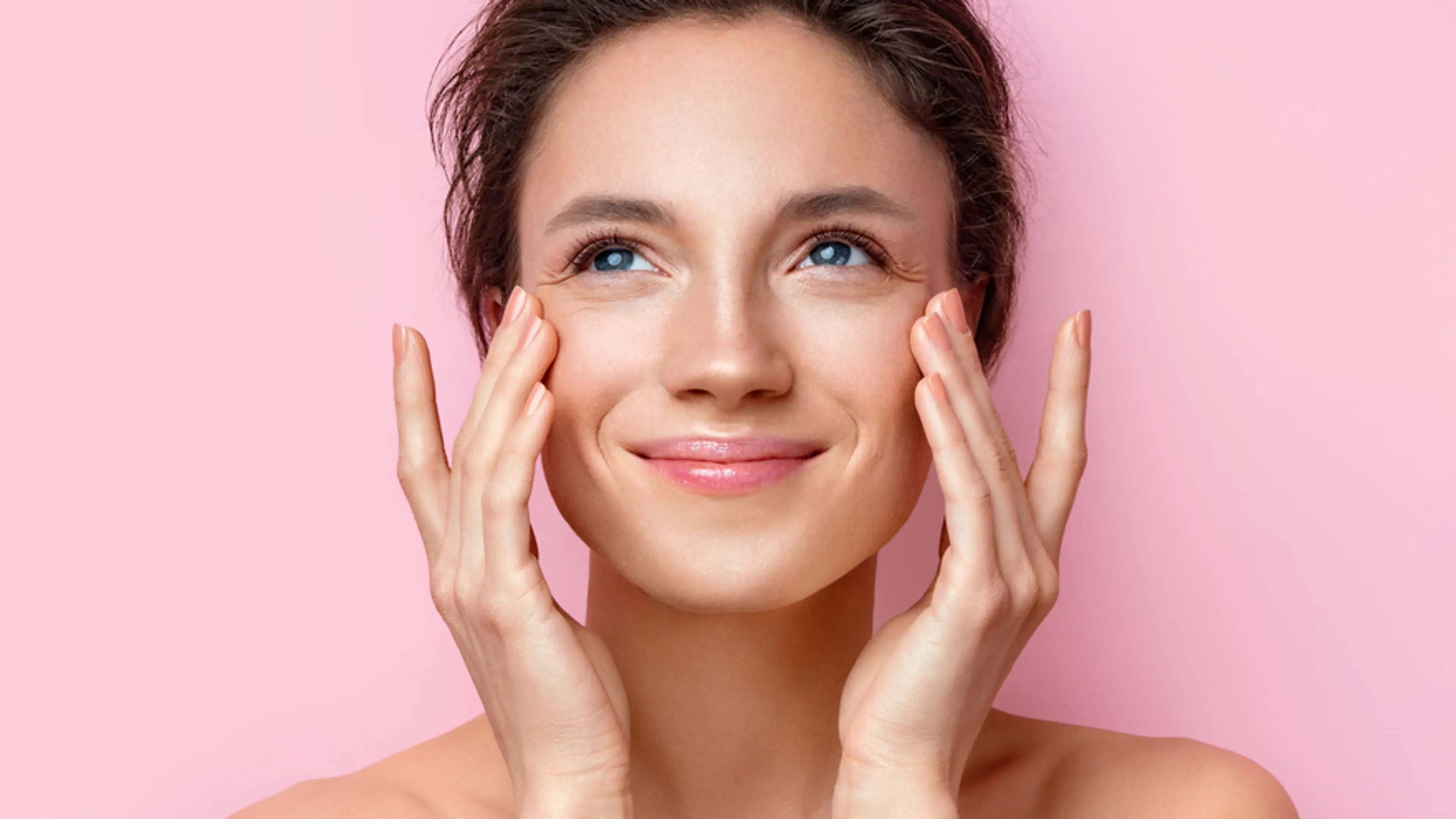
Your skin has the biological ability to renew itself.
Regenerative medicine simply reminds it how.